
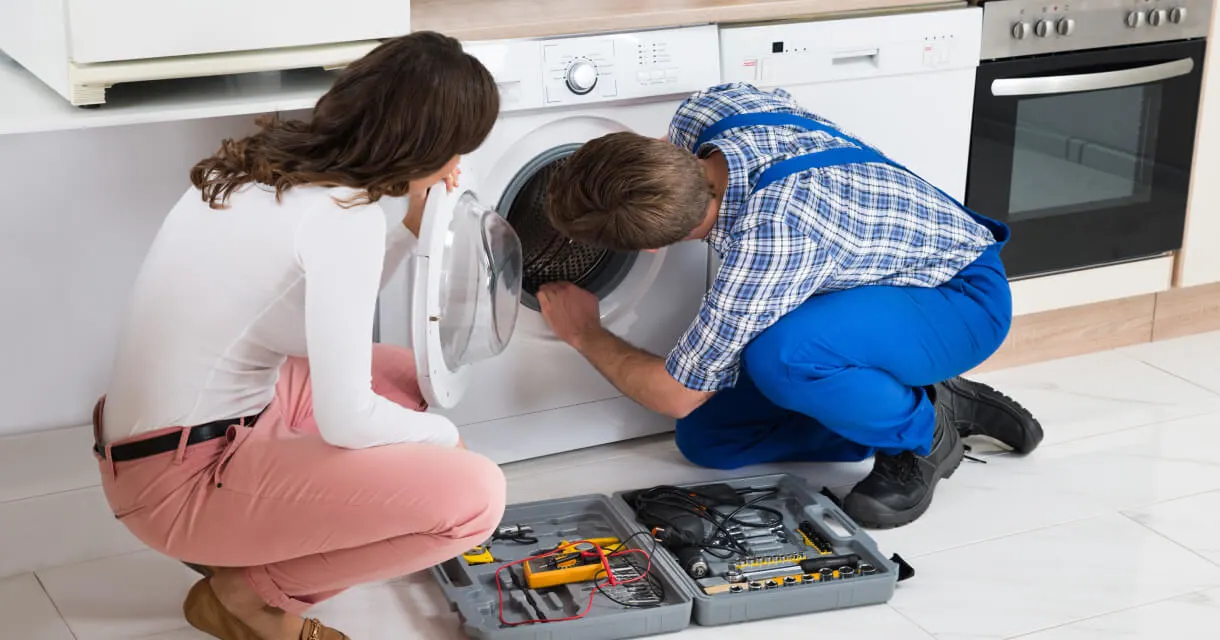
A washer that will not spin is frustrating. Clothes come out heavy and wet, and time gets wasted. The good news is that most spin-related issues are simple to fix. All you need is to confirm the cause of why your washing machine not spinning and get back to work.
This guide walks through quick, simple checks first, then troubleshooting steps based on the symptoms for both front-load and top-load washing machines. We have also elaborated on drain checks, spin cycle settings that affect spin, and when it is time to get in touch with an expert.
If you are running short on time and want to speak with a specialist, reach out to UAETechnician for a quick chat at 045864034. A quick call can avoid unnecessary hassle and prevent things from getting complicated.
Quick Checks Before The Actual Troubleshooting
It is always smart to start with simple checks. Sometimes, a few simple things help fix several spin issues without needing any parts or even tools. This is the fastest path, and it is safe.
- Confirm the cycle runs on a high spin. If clothes are soaked, first, run the drain and then spin.
- Open the lid of the drum and spread the clothes evenly. If there is a single large piece of clothing, add a few small items to balance it properly.
- You must never overfill the drum with heavy items. Too much weight prevents balance, and the machine slows or stops the spin on purpose.
- When the washer is not spinning, level the machine with a spirit level. If it tilts, the spin can be loud or may not run fast.
- Close the door or lid firmly. If the lock does not click or feels loose, the control may block the spin.
Common Washing Machine Spin Problems and Solutions
When your washing machine won’t spin, the first step is to notice the symptom and match it with the issues mentioned below. Although multiple issues might have the same cause, figuring out the correct one will save time and effort in troubleshooting the issue.
Washer Does Not Spin at All
If the washing machine drum is not spinning at all, check the following. Also, notice if the washer tried to spin and then stopped automatically.
- Make sure the spin speed is not set too low or off. Instead, switch to a regular or high spin setting and retry.
- On a top-load washing machine, check the lid switch and striker. On a front-load washing machine, check door lock engagement. If a false trigger is passed that the lid or door is open, the washing machine will not spin.
- If there was a power dip, flush the water using the drain and spin. Disconnect the machine from the power source and retry after a minute or so.
- An unusual humming sound coming from the motor indicates damage to the belt. On a direct drive machine, get an expert’s help if you are not comfortable opening it.
Washer Stuck on the Spin Cycle
A timer that stops while the machine is spinning often means there is water still inside or the load is not unbalanced. This means that the washing machine control is trying to fix the situation with washing machine repair experts.
- Check the drain hose for clogs. Standing water blocks high spin.
- Clean the pump filter on front-load machines. Remove coins or small items at the pump.
- Rebalance the load or put only one large item at once. Then retry the cycle.
Washer Not Spinning but Making Noise
Any type of unusual noise coming from the machine can point out the exact problem. If you can find where the sound is coming from, it’s easier to find the solution.
- Sometimes the basket does not spin even when there is no humming sound coming from the motor. This happens when the belt is loose or damaged. You will need reseating or replacement.
- A humming sound near the pump points to a blocked or failing drain pump. Clear the filter and check the inlet.
- The loud sound of something clashing inside that comes and goes indicates imbalance. Level the washer and redistribute the load.
Front-Load Washing Machine Will Not Spin
Front-load machines are sensitive to vibration and door locks. They also require full drainage before you run a spin.
- Confirm the door lock is properly engaged. Run a spin-only test to check if the drum is properly spinning.
- Level the cabinet and balance the load. If vibration is high, the machine’s internal controls reduce RPM or stop the spin.
- Clean the drain filter and check the hose for any obstacles so the unit can drain completely.
Top-Load Washing Machine Spin Problems
A top-load machine requires a properly working lid switch and a proper balance control. Loose belts are one of the most common causes of such issues in older models.
- Inspect the lid switch and striker. Make sure they align and the switch clicks.
- Reduce load size and put heavy items properly. Many top-load machines stop the spin when there is an imbalance.
- Inspect the belt and the clutch or shift actuator. You might not have the clutch or shift actuator if it is an old machine.
How to Set Spin Speed and Cycles in Washing Machines
This happens very often, and the problem is something else, or it is said to be no problem at all. The real culprit might be your spin and cycle settings.
- Delicate, hand-wash, or no-spin modes are designed to be extremely gentle on your clothes and will leave more water. Pick a cycle with a high spin or run drain and spin after the main cycle.
- Using too much detergent is never suggested. It usually blocks the draining and spinning. To avoid such an issue, use a high-efficiency detergent in the right quantity.
Common Drain Issues to Look for that Stop the Spin
The spin is directly linked to the drain. If the machine control detects water inside the tub, it will not let the spin run at high speed.
- Make sure the hose is not bent and nothing is stuck inside. Check if the standpipe height and the air gap follow the standard instructions.
- Clean the pump filter on front-load machines. Also, check the pump inlet if there is anything stuck inside.
- Sometimes, cleaning also does not get rid of the water. This indicates the pump may be damaged and needs replacement.
Choosing Between DIY, Professional Service, and a Replacement
If it is a simple spin issue like improper settings, DIY is the best choice. However, repeated failures in the motor, board, or pump point to a professional who sometimes suggests replacement.
- Consider the age of the washer, parts cost, and how much all this is affecting your daily routine. If you find that one or more core parts are damaged, it is smarter to get a new washing machine.
- Call a professional if the door lock, motor, actuator, or control board is suspected. Electrical checks and sealing the unit back up require extensive care.
- Keep notes on symptoms and any error codes. Expert assistance is faster and cheaper when basic steps are already done.
Preventive Care to Avoid Washing Machine Spin Issues
When you follow a proper preventive care routine, most washing machine spin issues never arise. This good habit also reduces callbacks for service teams for troubleshooting help.
- Mix multiple laundry items to balance weight and avoid overfilling. Recheck the level after moving or cleaning the machine.
- Clean the drain filter if it is a front-load machine every few months. Inspect hoses for bends and blockages.
- Use a good quality detergent in the right amount.
Handy Symptom Table
Symptom | Likely Cause | Steps to Try |
No spin at all | The lid or door lock is not properly engaged | Close firmly, check the lock, and only run the spin to test |
Stuck on spinning continuously | The drain hose is bent, or the pump is clogged pump | Clear the hose and clean the filter. Drain and retry |
Spins slowly or leaves clothes wet | Improper spin setting or overloaded | Select high spin mode and reduce load size |
Loud clashing sound during spin | Unbalanced load or unlevel washer | Redistribute items and level feet |
Humming but no spin | The belt is off the motor, or the pump is blocked | Inspect the belt and clear the pump area |
Your Next Step
Troubleshooting an issue where you find your washing machine not spinning is not something to really worry about. All you need is to go through a basic check, find the real issue, and follow the experts’ suggested solutions. Need quick assistance on a tricky washing machine situation in Dubai? Reach out to UAETechnician at 045864034 for simple, no-pressure guidance with washing machine technical experts. A few minutes can save several hours of DIY troubleshooting.
FAQs
There are a number of reasons behind such an issue. This could be a slipping belt, a clogged or failing pump, or a badly unbalanced load. The first step to fix it is to clear the pump filter, check the belt, and redistribute the load. If you continue to notice the noise, book a service call.
This usually happens when the control suspects that there is water still inside the washer or the machine is not properly balanced. First, clear the drain hose and the filter. Next, rebalance the load and check if the problem is resolved. If it still hangs, the pump or a sensor may need replacement.
Front-load washing machines have a different design, and thus, the reasons are different from top-load machines. This could be a result of the door lock, level, and sudden vibration. Check the lock, level the machine, properly distribute the load, and clean the filter. Then, only run the spin to test if the issue is fixed..
Using too much detergent could result in hose blockage and drain limits, or a gentle program could block the motor from running at high speed. Use the right amount of a good quality detergent, select the right high spin mode, and check the hose path.
This happens because of a faulty lid switch, a loose belt, or a hard imbalance that eventually stops the spin, even when the wash and rinse are complete. Inspect the switch and belt, reduce the load, and retry.
A low spin setting, other delicate modes like hand-wash, and overloads are the usual reasons. Choose high spin mode, don’t overfill the drum, and leave enough room for items to move. If needed, run the drain and spin at the end.

